
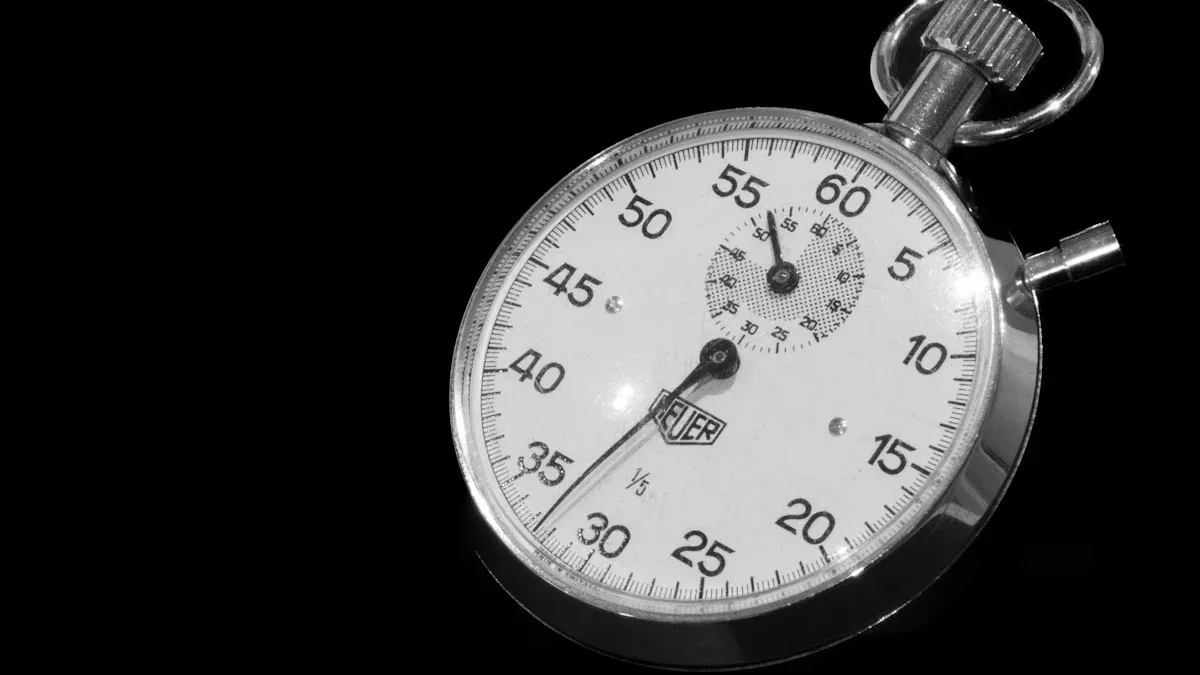
I find digital timers generally offer superior precision and advanced programmability. They also provide enhanced energy efficiency, a modern design, and greater versatility compared to traditional mechanical timers. A Solid-State Digital Timer uses electronic circuits for timekeeping. This is different from mechanical timers, which rely on spring-wound mechanisms. For complex industrial tasks, an Industrial Digital Timer often acts as a High Precision Timing Switch. Sometimes, a PLC Timer Module is also part of these advanced systems.
Key Takeaways
- Digital timers offer very exact timekeeping. They use electronic parts for high precision.
- Digital timers have many settings. You can program them for complex tasks and schedules.
- Digital timers use less power. This helps save energy and lower electricity bills.
- Digital timers have clear screens. They are easy to read and simple to use.
- Digital timers work in many places. They connect with other smart devices for automation.
Superior Precision and Accuracy with Solid-State Digital Timer
Exact Timekeeping Capabilities
I have learned that a Solid-State Digital Timer provides truly exact timekeeping. It uses electronic circuits to measure time. These circuits are incredibly precise. They count time in very small units, like milliseconds. This means the timer knows exactly when to start or stop. For example, if I set it for 10 minutes, it will be exactly 10 minutes. Traditional mechanical timers rely on physical gears and springs. These parts can sometimes be less accurate. They might run a little fast or slow. But with a digital timer, I always get the precise timing I need. This makes a big difference in many applications.
Minimal Error Margin in Operation
I find that digital timers have a very small chance of making a mistake. They operate with high accuracy. This means they are very reliable for critical tasks. When I need something to turn on or off at a specific moment, I trust a digital timer completely. It helps me avoid errors in important processes. For instance, in a factory, precise timing can prevent waste. It can also ensure safety. A digital timer consistently delivers the correct timing. This makes my operations much smoother and more dependable. I know I can count on it to perform as expected every single time.
Consistent Performance Over Time
I have observed that a Solid-State Digital Timer maintains its excellent performance over a long period. It does not lose its accuracy. Mechanical timers have moving parts. These parts can wear out or get dirty over time. This might make them less accurate. However, digital timers do not have these physical moving components. They rely on stable electronic signals. This means they give me consistent results day after day, year after year. They are dependable for continuous use. For businesses looking for reliable industrial timer solutions, this long-term consistency is a huge advantage. It saves time and money on maintenance.
Advanced Programmability and Features of Digital Timers
Multiple Settings and Cycles for Complex Tasks
I find digital timers incredibly flexible. I can set many different on and off times. This helps me create complex schedules. For example, I can program a light to turn on at 7 AM, turn off at 9 AM, and then turn on again at 5 PM. I can even set different schedules for different days of the week. Mechanical timers usually only handle one simple task. They might turn something on for a set period. Digital timers let me manage many steps easily. This is very helpful for automating my home or for industrial processes.
Countdown and Stopwatch Functions for Specific Needs
I often need a countdown timer. Digital timers have this feature built-in. I can set it for a specific duration, like 30 minutes, and it counts down to zero. This is perfect for cooking or timing a workout. I also use the stopwatch function. It helps me measure how long an activity takes. These specific functions are very useful. Mechanical timers do not offer these precise countdown or stopwatch capabilities. They focus on simple, repetitive cycles.
Remote Control and Smart Integration Options
I love that I can control some digital timers from my phone. This means I do not need to be right next to the timer. I can turn devices on or off from anywhere. This adds a lot of convenience to my life. Many digital timers also connect with other smart devices. They can become part of a larger smart home system. This level of control is impossible with older mechanical timers. This makes them a great programmable timer switch for modern needs. They offer a lot of flexibility and control.
Enhanced Energy Efficiency of Digital Timers
Lower Power Consumption for Sustainability
I find digital timers use less power. This helps me save energy. For example, I have seen that an electronic timer often uses only 0.8 watts. A mechanical timer, on the other hand, might use around 1.2 watts. This difference might seem small. However, it adds up over time. This lower power use means less electricity waste. It also helps the environment. I believe this makes digital timers a more sustainable choice for my home and business.
| Timer Type | Power Consumed (watts) |
|---|---|
| Mechanical timer | 1.2 |
| Electronic timer | 0.8 |
Flexible Battery Life and Power Options
I appreciate the flexible power options digital timers offer. Many models run on batteries. For instance, a large digital wall clock can work for 8 to 14 months on just four AA batteries. Other digital timers, like outdoor weekly timers, use rechargeable batteries. This means I can place them where I need them. I do not always need a power outlet nearby. This flexibility is very convenient. It makes digital timers easy to use in many different places.
Reduced Operational Costs Over Time
I also see how digital timers save money in the long run. They help me use energy smarter. I can program them to use electricity during cheaper off-peak hours. This is great for heating water. They can even turn off boost functions automatically. This stops me from wasting energy. Businesses also save a lot. Installing timers in places like hotels or factories can pay for itself in less than two years. This makes them a smart choice for any commercial timer solutions. They help reduce my bills and operational costs over time.
Modern Design and User Interface of Digital Timers
Clear Digital Displays for Easy Reading
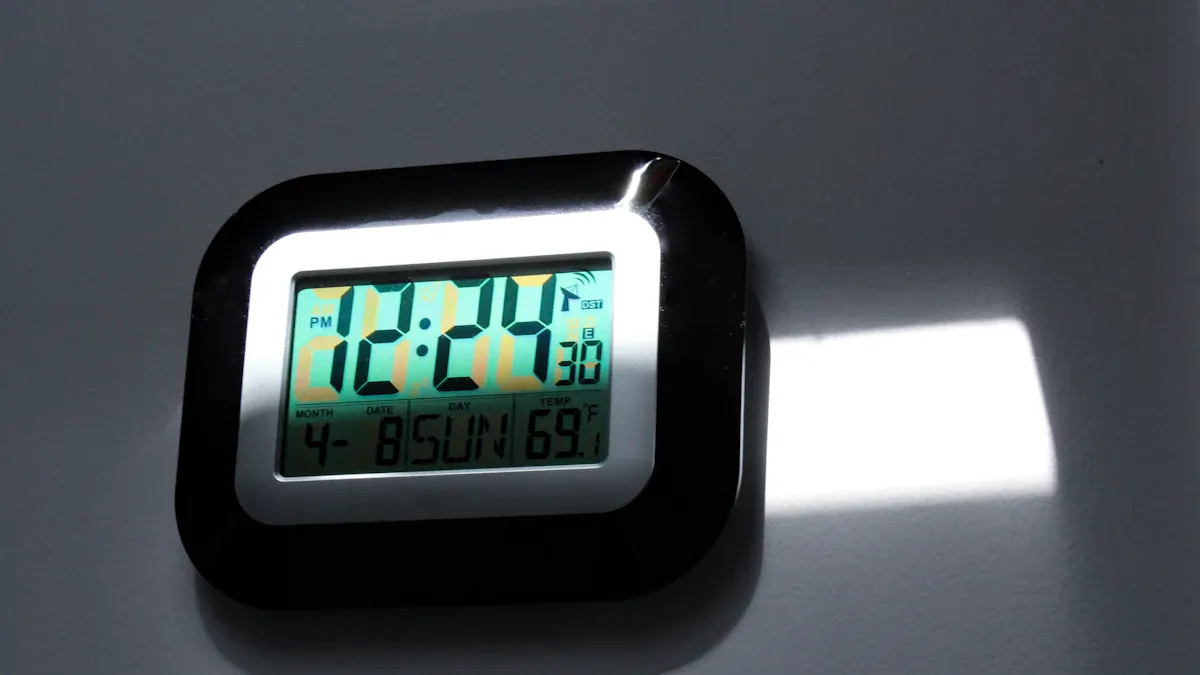
I really appreciate the clear digital displays on modern timers. They show me the time and settings very easily. I can see large, bright numbers on the screen. This makes reading the timer simple, even from a distance. Some digital timers also have backlighting. This helps me see the display clearly in dim light or at night. Mechanical timers often have small dials and tiny markings. They can be hard to read accurately. With a digital display, I get precise information at a glance. This clarity is a big advantage. It helps me avoid mistakes when setting or checking the time. I always know exactly what the timer is doing.
Intuitive Button Layouts for User-Friendliness
I find digital timers very easy to use. Their buttons are usually well-placed. They have clear labels. This makes programming the timer straightforward. I can quickly set the time or change a program. Mechanical timers often require turning a dial. This can sometimes feel less precise. Digital timers give me direct control. I press a button for "hour" or "minute." This simple interface saves me time. It also reduces frustration. I can set up complex schedules without difficulty. I do not need to read a long manual. This user-friendliness is a key benefit. It makes daily tasks much simpler for me.
Aesthetic Appeal for Contemporary Spaces
Digital timers also look great. They have a sleek, modern design. They fit well in my contemporary home or office. Many models come in different colors and finishes. This allows me to choose one that matches my decor perfectly. Mechanical timers often have a more traditional or industrial look. They might not blend as seamlessly with modern aesthetics. A digital timer adds a touch of technology. It looks clean and organized. This modern appearance is important to me. It makes the timer a functional and stylish addition. I like how they enhance the look of my space. For any digital timer supplier, offering attractive designs is crucial for customer satisfaction.
Greater Versatility and Application Scope for Solid-State Digital Timer
Diverse Use Cases Across Industries
I find digital timers useful in many different places. They help people in their homes. Homeowners use programmable timer systems. These systems pre-heat homes before people arrive. This saves energy when no one is home. It makes the home comfortable when they return. Facility managers use programmable timers in offices and stores. They manage heating in different areas. This keeps people comfortable during work hours. It cuts costs when the building is empty. Landlords use these timers in rental properties. They standardize heating operations. This helps with maintenance. It also meets safety rules. A Solid-State Digital Timer offers great flexibility for these varied needs.
Adaptability to Complex Automation Tasks
I find digital timers handle more than simple tasks. They adapt to complex automation. They can manage many steps in a process. This is important in factories or large buildings. They control different machines at different times. This makes operations smoother. They help automate tasks. These tasks used to need human input. This saves time and reduces errors. These are excellent industrial timer solutions for modern businesses.
Seamless Integration with Other Devices
I love how digital timers connect with other smart devices. Home automation lets me control many things. I can connect lights, outlets, and appliances. I can also control heating, cooling, doors, and security systems. I control them over the internet. These systems use Wi-Fi sensors. They monitor things like temperature or motion. Controllers, like my phone, send messages. Actuators, like switches, control mechanisms. Smart timers with thermostats learn my habits. They adjust temperature automatically. This saves energy. Many smart heating timers work with voice control. I can use Google Assistant or Amazon Alexa. I can also access them remotely. I can control my home from anywhere. Systems like KNX Home Automation offer total control. They manage HVAC, sprinklers, and lighting. A Solid-State Digital Timer fits right into these advanced systems. It makes my life easier and more efficient.
When to Choose Which Timer Type
Considerations for Digital Timer Applications
I often think about where digital timers fit best. I find them perfect for tasks needing exact timing. For example, I use them for complex schedules in my smart home. I can set lights to turn on and off at different times each day. I also use them in my workshop for precise process control. If I need to automate something with many steps, a digital timer is my first choice. They offer features like countdowns and remote control. These functions make my life much easier. I also consider them for energy saving. I program them to run appliances during off-peak hours. This helps me save money on electricity bills.
Scenarios Where Mechanical Timers Excel
I see mechanical timers as very reliable for simple jobs. They are great when I just need something to turn on or off for a set period. For instance, I might use one for a simple fan or a holiday light display. They do not have complex programming. This makes them easy to use for basic tasks. I also know they are very tough.
- I find mechanical timers generally more durable.
- They perform better in harsh conditions like dusty, hot, or vibrating places.
- They are less sensitive to dust, vibration, and power surges. This is because of their simpler design.
- Digital timers, while precise, are more vulnerable to power surges. Their sensitive electronics make them less resistant to environmental stress.
So, for a robust, straightforward solution, I often pick a mechanical timer.
Budget and Durability Factors in Decision Making
When I choose a timer, I always think about cost and how long it will last. Mechanical timers are generally more affordable than digital timers. I consider them an economical choice when I need a cost-effective solution. Digital timers, while offering greater accuracy, come with a higher financial cost. I weigh this against the features I need. If I need something very precise and programmable, I invest in a digital timer. If I need a simple, tough timer for a harsh environment, a mechanical one is usually better. I also think about the long-term operational costs. Digital timers can save energy, which reduces costs over time. For bulk timer purchases, these factors are very important.
I find digital timers offer big benefits. They give me great precision, advanced programming, and save energy. Their modern design and versatility make them a top choice for many uses today. Mechanical timers still work well for simple, tough jobs. However, digital timers handle a wider range of needs. My final decision depends on what I need, the features I want, and where I will use the timer.
Zhejiang Shuangyang Group Co., Ltd. was established in 1986. It is a private owned enterprise. We were one of Star Enterprise of Ningbo City in 1998. We are approved by ISO9001/14000/18000. We are located in Cixi, Ningbo city. This is only one hour to Ningbo harbor and airport. It is two hours to Shanghai. Our registered capital is over 16 million U.S. Dollar. Our floor area is about 120,000 sqm. Our construction area is about 85,000 sqm. In 2018, our total turnover was 80 million U.S. Dollar.
We have ten R&D persons and over 100 QCs. They guarantee quality. Each year, we design and develop over ten new products. We act as a lead manufacturer. Our main products are timers, sockets, flexible cables, power cords, plugs, extension sockets, cable reels, and lightings. We supply many kinds of timers. These include daily timers, mechanical and digital timers, countdown timers, and industry timers with all kinds of sockets. Our target markets are European and American markets. Our products are approved by CE, GS, D, N, S, NF, ETL, VDE, RoHS, REACH, PAHS, and more.
We have a good reputation among our customers. We always focus on protecting the environment and human safety. Improving the quality of life is our final purpose. Power cords, extension cords, and cable reels are our main business. We are the lead manufacturer of promotion orders from the European market every year. We are the Top one manufacturer cooperating with VDE Global Service in Germany to protect trademarks. We warmly welcome cooperation with all customers for mutual benefit and a bright future.
FAQ
What is the main difference between digital and mechanical timers?
I know digital timers use electronic circuits for exact timing. Mechanical timers rely on springs and gears. Digital timers offer more features and better precision.
Are digital timers better for saving energy?
Yes, I find digital timers use less power. They help me save electricity. I can program them to run devices during cheaper times. This reduces my energy bills.
Can I control digital timers from far away?
Yes, I can. Many digital timers offer remote control. I can use my phone to turn things on or off. This adds great convenience to my life.
Which timer should I choose for simple tasks?
For simple tasks, I often pick a mechanical timer. They are durable and easy to use. They work well for basic on/off needs.
Why do digital timers cost more than mechanical ones?
Digital timers have advanced electronics. They offer more features like precise programming and smart control. These capabilities make them more expensive to produce.
Post time: Dec-01-2025